The walk is over, but your dog is still chewing a paw. At bedtime, the scratching starts again. You check the coat, don't see any fleas, and wonder whether the change in seasons has something to do with it.
Fall allergies in dogs can cause itching, licking, face rubbing, and irritated skin. Environmental triggers may be involved, but the season alone can't tell you why your dog is uncomfortable. Fleas, infections, and other skin problems can look similar. Persistent or worsening itching deserves a veterinary exam. 1
For Kansas City families, the useful next step is to notice the pattern and build a care plan around the individual dog. Here's where to start.
Why can dogs get itchier in fall?
Some dogs react to environmental allergens such as pollen, mold, or dust mites. Their symptoms may change with the seasons or continue throughout the year. Unlike the sneezing people often associate with allergies, a dog's reaction can show up mainly through the skin. 2
Fall-related allergy concerns are relevant locally, too. Chipman Road Animal Clinic in Lee's Summit discusses seasonal symptoms and autumn exposure to dust and mold in its guidance for Kansas City pet owners. 3
That doesn't mean every itchy dog has a ragweed allergy, or that today's pollen forecast explains your dog's symptoms. An autumn flare is a clue to share with your veterinarian, not a diagnosis you need to make at home.
What signs should you pay attention to?
Look for changes from your dog's usual behavior:
- More scratching, licking, or chewing than normal
- Rubbing the face or body against furniture
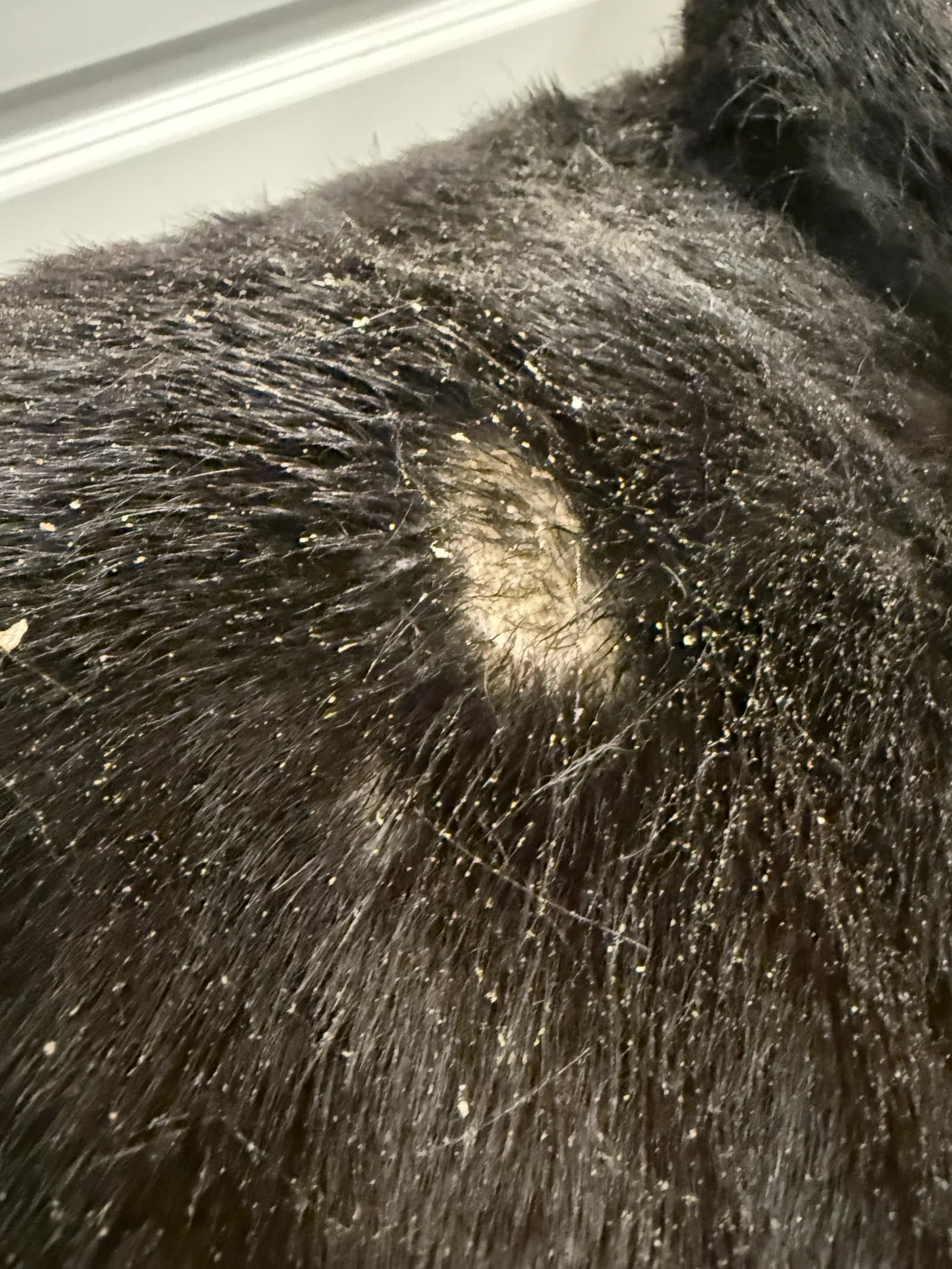
- Red skin, thinning hair, or irritated areas
- Repeated head shaking or recurring ear trouble
These signs can occur with allergies, but they don't identify the cause on their own. 1
Think in specifics. "She keeps stopping during our evening walk to chew both front paws" gives your veterinarian more context than "she seems itchy." Notice whether your dog can settle comfortably, whether the same areas keep bothering them, and whether this happened around the same time last year.
If the paws are the main concern, our guide to why dogs keep licking their paws explains what to look for and when an injury or painful nail may be involved.
What if my dog is itchy but I can't find fleas?
Not seeing fleas doesn't rule them out. A dog sensitive to flea saliva can react to very few bites, and the fleas themselves may be difficult to spot. 4
Tell your veterinarian which prevention product your dog uses and when it was last given. Ask about the right ongoing prevention for your household rather than assuming cooler weather has ended the risk. Flea problems can occur throughout the year. 4
Likewise, a seasonal pattern doesn't rule out another problem happening at the same time. Your veterinarian may need to check for parasites or infection before deciding whether environmental allergies are involved. 2
When should you call the vet instead of booking another bath?
Contact your veterinarian if the itching persists, keeps returning, or comes with red skin, hair loss, or ear problems. 1
An open, wet, painful, swollen, or oozing patch needs particular attention. Repeated licking and chewing can worsen a sore, and hot spots can occur outside summer. Don't wait for a grooming appointment to have a painful or worsening area assessed. 5
If you notice one, take a clear photo if your dog allows it and contact your veterinarian for guidance. Stop handling the area if your dog pulls away or reacts painfully. Our dog hot spots guide explains this problem in more detail.
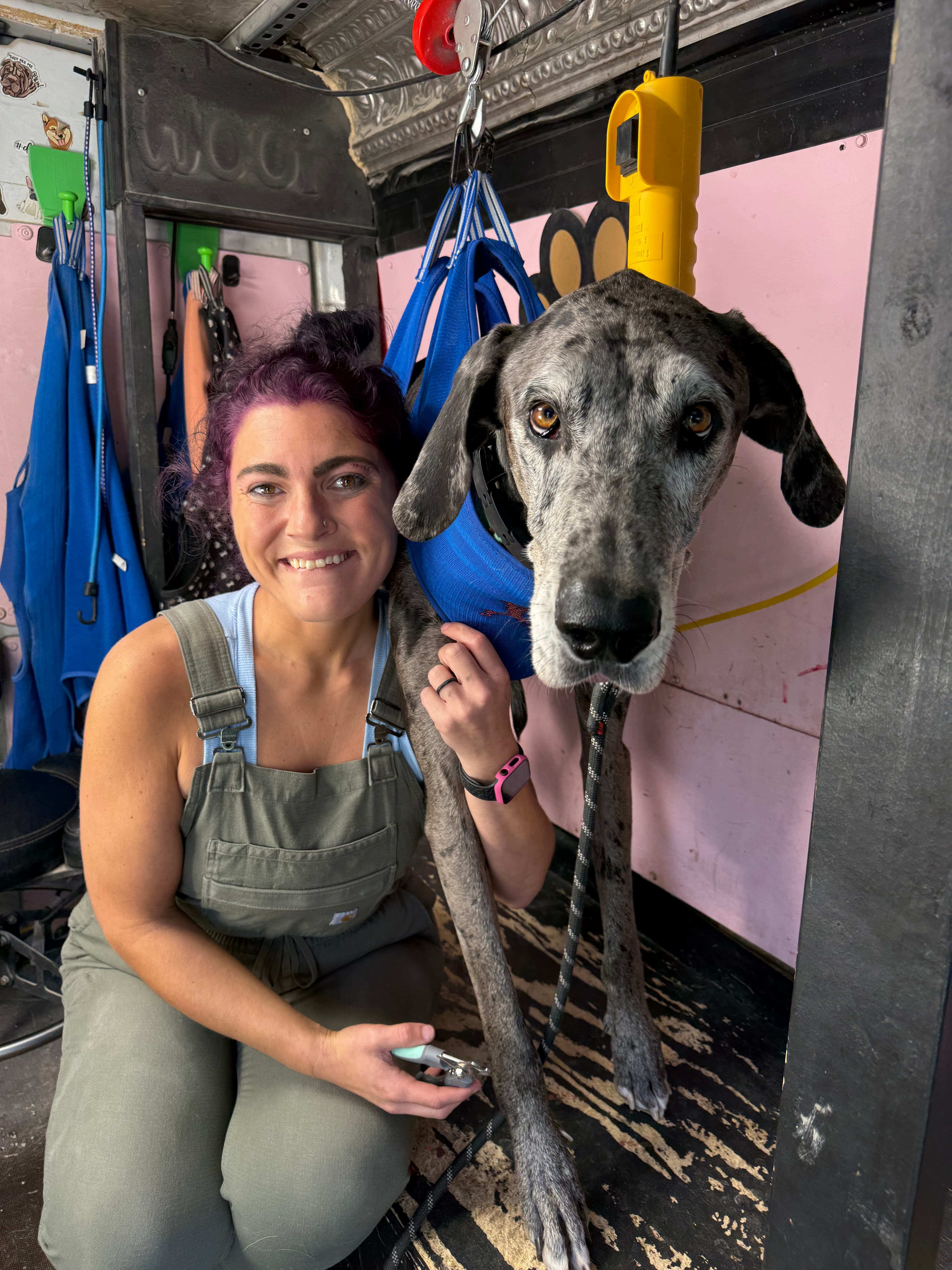
Healing with Dogs KC provides supportive skin and coat care. Jamie doesn't diagnose allergies, prescribe medication, or treat infections.
Can bathing help a dog with seasonal allergies?
Bathing may help remove allergens from the coat and can be part of a veterinarian's allergy-management plan. It doesn't identify the trigger or replace medical treatment. 2
The details matter. A plan should answer:
- Which product should be used?
- How often should this particular dog be bathed?
- Are there instructions for application, contact time, or rinsing?
- What changes should prompt a call to the veterinarian?
Bring written veterinary instructions to your dog's care appointment. A product name alone may leave out important directions.
Avoid adding extra baths whenever scratching returns without checking the plan. Too much bathing with an unsuitable routine can contribute to dryness. 1 For general coat-maintenance questions, read how often to bathe your dog. A veterinarian's instructions for an active skin condition take priority over a general schedule.
A simple routine between appointments
After outdoor time, a plain-water rinse can help remove material from paws and coat. Avoid scrubbing irritated areas. Dry your dog carefully afterward, especially where a thick coat can hold moisture against the skin. 3, 5
Before adding a human allergy medicine, anti-itch cream, or another treatment, check with your veterinarian. An online recommendation doesn't account for your dog's health history or the ingredients in the product you have. 3
Keep the existing plan easy to follow. Put the agreed bath instructions, product names, and veterinary contact information in one place. If different family members handle walks, baths, and medication, make sure everyone can see the same instructions.
Make a useful itch record, not a complicated spreadsheet
A thorough history helps veterinarians assess allergic skin disease. 6 You can help by keeping a short note on your phone while arranging care. Don't delay an appointment to collect more information.
Record:
- When the scratching or licking started
- Which body areas are involved
- Whether it follows walks, yard time, or a bath
- Whether sleep or normal activities are interrupted
- Recent product or routine changes
- Current medications and parasite prevention
- Whether a similar problem happened in a previous season
Photos taken in similar lighting can make changes easier to explain. A brief video can also show a behavior that never seems to happen during an appointment.
Bring questions as well as observations: "What should we do if this returns?" "When should we check in again?" "What bathing instructions should I give Jamie?" A useful plan tells everyone what to do next.
Where Healing with Dogs KC fits
Once medical concerns have been assessed, Jamie can help with the practical skin and coat routine around your veterinarian's recommendations.
Healing with Dogs KC offers mobile restorative bathing and maintenance care in the Kansas City metro. Care begins with your dog's history, skin and coat needs, and comfort level. Jamie uses professional Iv San Bernard protocols and documents observations from visit to visit.
Share your veterinarian's instructions and any known product sensitivities during intake. Include what your dog finds difficult about bathing, handling, or drying, too. Those details help shape a visit your dog can tolerate comfortably.
You can explore skin and coat care or start your dog's intake. Jamie will help determine whether supportive bathing is an appropriate next step.
Frequently asked questions
Does itching every fall prove my dog has seasonal allergies?
Should I wait for colder weather to see if the itching stops?
Don't put off veterinary advice for persistent symptoms or damaged skin. Even when the original trigger changes, a sore or secondary infection may still need attention. 5
Can a professional bath cure my dog's allergies?
No. Bathing may support an allergy-management plan, but it isn't an allergy cure. The aim is an appropriate, consistent routine alongside veterinary care. 2
What should I send Jamie before a skin and coat appointment?
Share your dog's skin history, current veterinary instructions, product sensitivities, and handling concerns. Clear photos and a few notes about when the itching occurs can help explain what you are seeing. Medical symptoms should also be discussed directly with your veterinarian.
Sources
This article provides general education about grooming and supportive skin care. Your veterinarian should assess persistent itching, skin damage, and suspected allergies.
- American Animal Hospital Association, "Dog Allergies: Symptoms, Testing, and Treatment," updated June 12, 2026.
- VCA Animal Hospitals, "Atopic Dermatitis (Atopy) in Dogs."
- Chipman Road Animal Clinic, "Managing Fall Allergies in Dogs: Signs & Treatments."
- VCA Animal Hospitals, "Flea Allergy Dermatitis in Dogs," updated April 10, 2026.
- Cornell University College of Veterinary Medicine, "Hot spots."
- American Animal Hospital Association, executive summary of the 2023 Management of Allergic Skin Diseases in Dogs and Cats Guidelines.